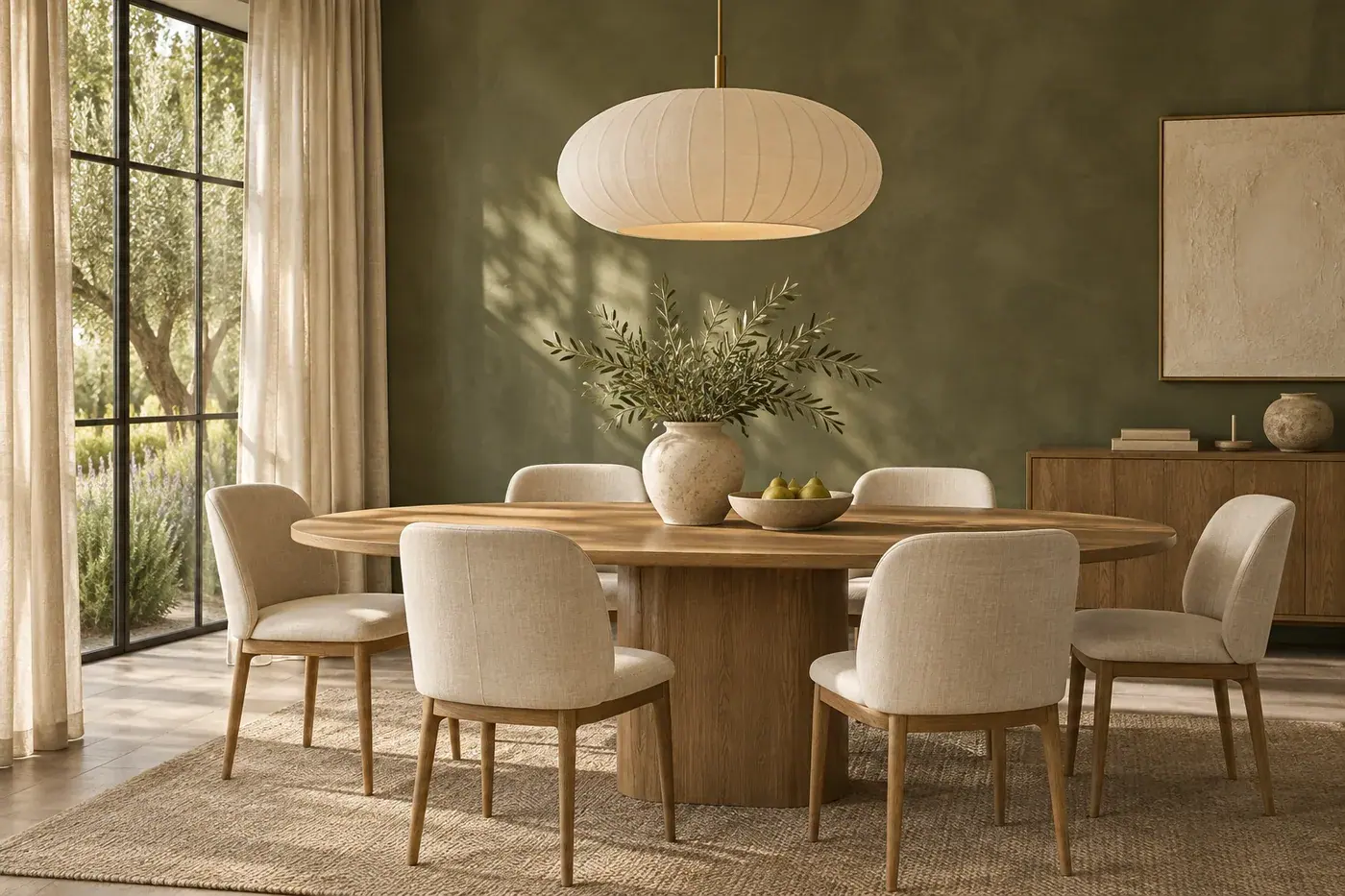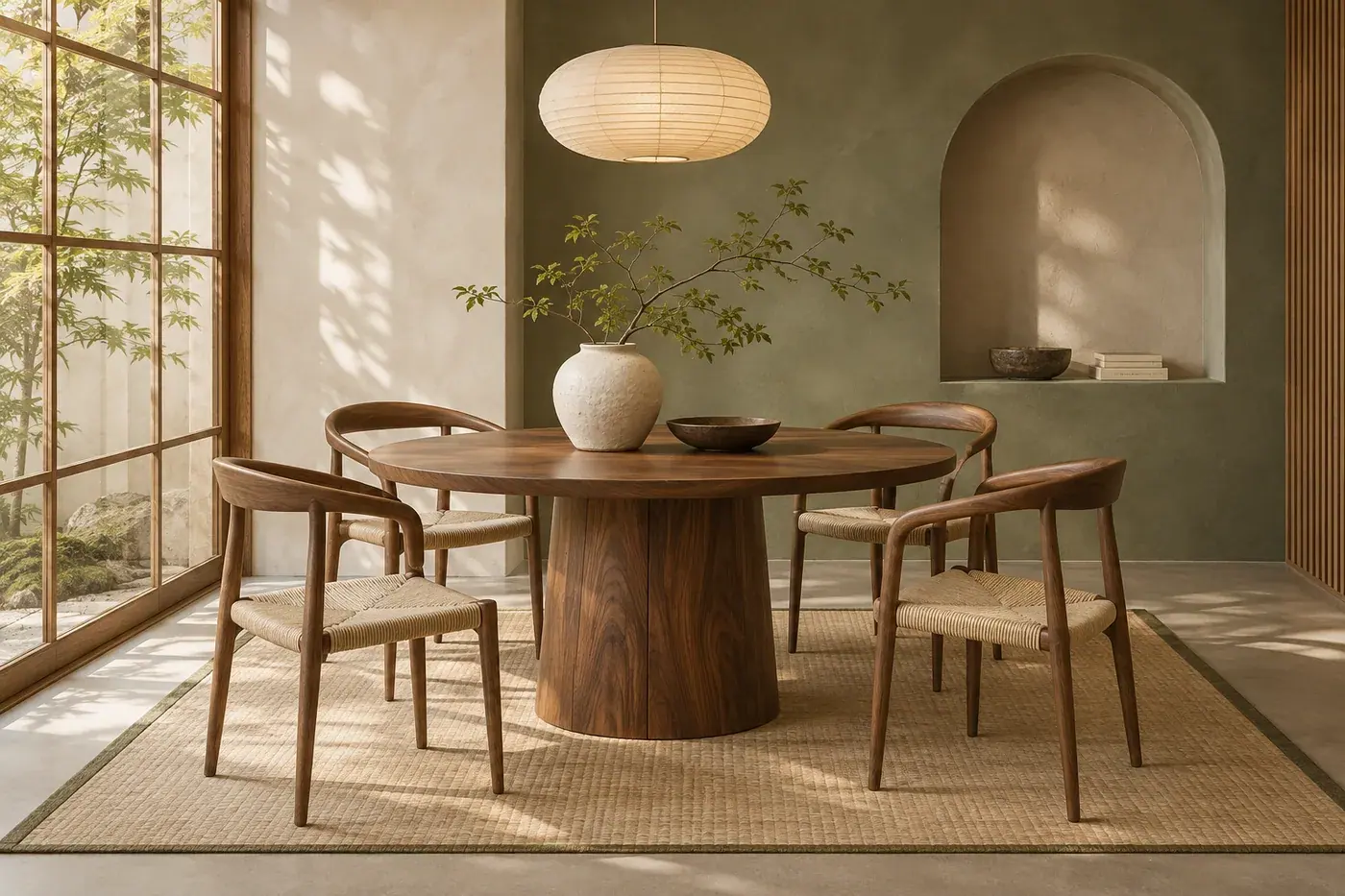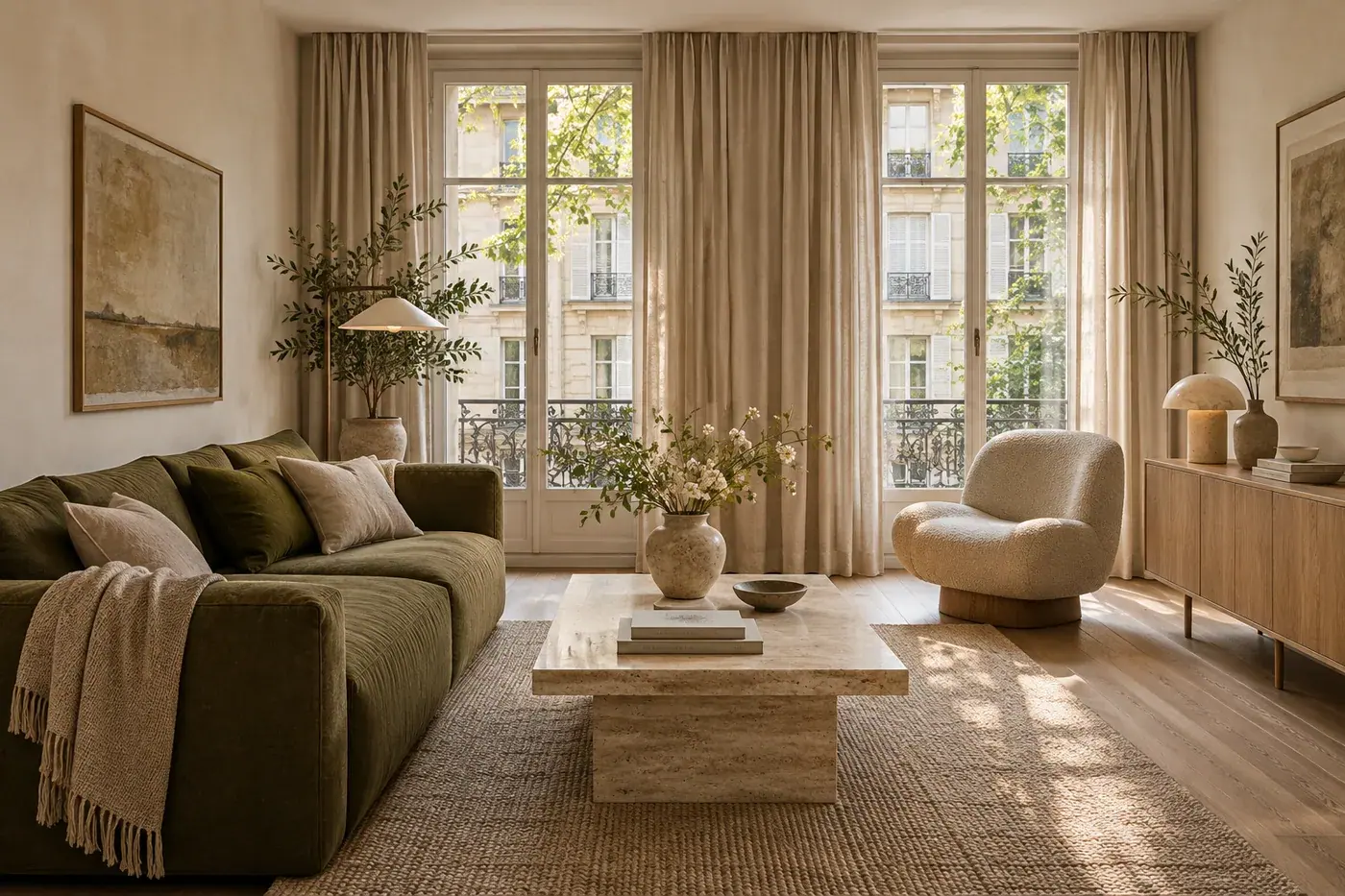
Work through a complete new look for the room in your photo.
Preview a tidier room photo before planning a makeover or preparing a visual presentation. Describe the clutter to remove and the main furniture you want to keep.
Open another RoomTale tool and go straight to its workspace. Start with the change you want to make next.
Work through a complete new look for the room in your photo.
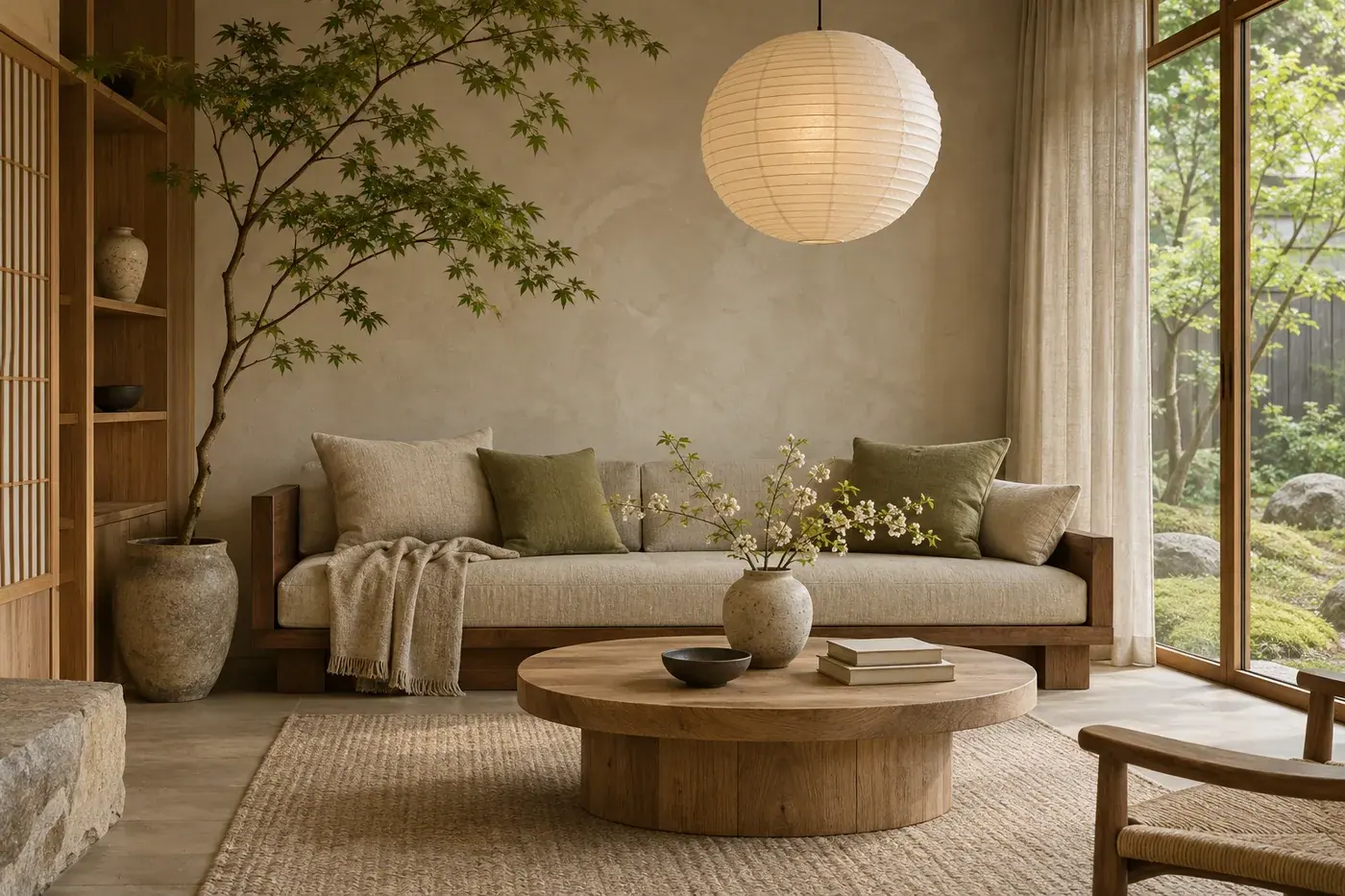
Try a different design language in a room you already know.
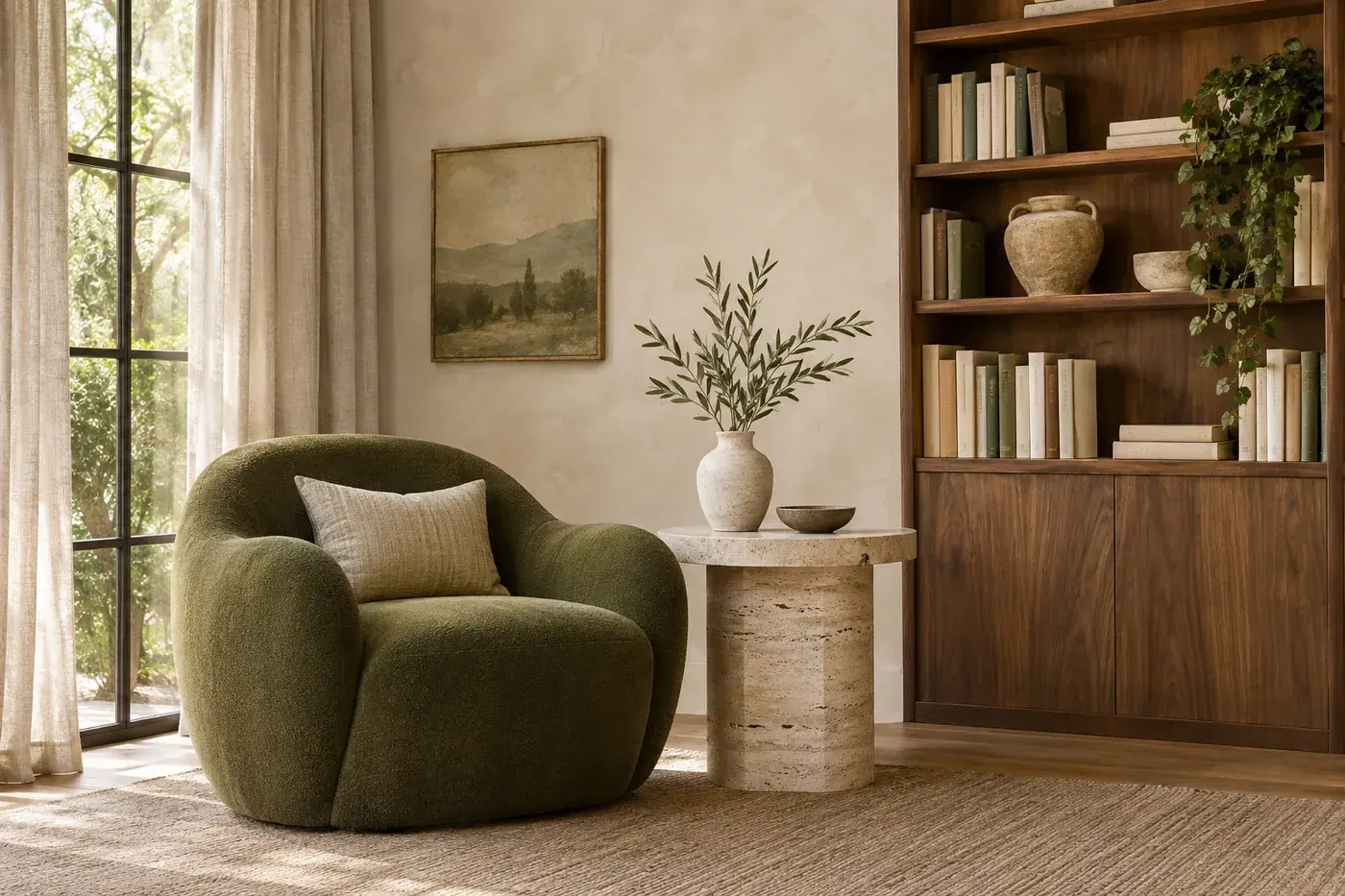
Bring rugs, curtains and accent pieces into one visual scheme.
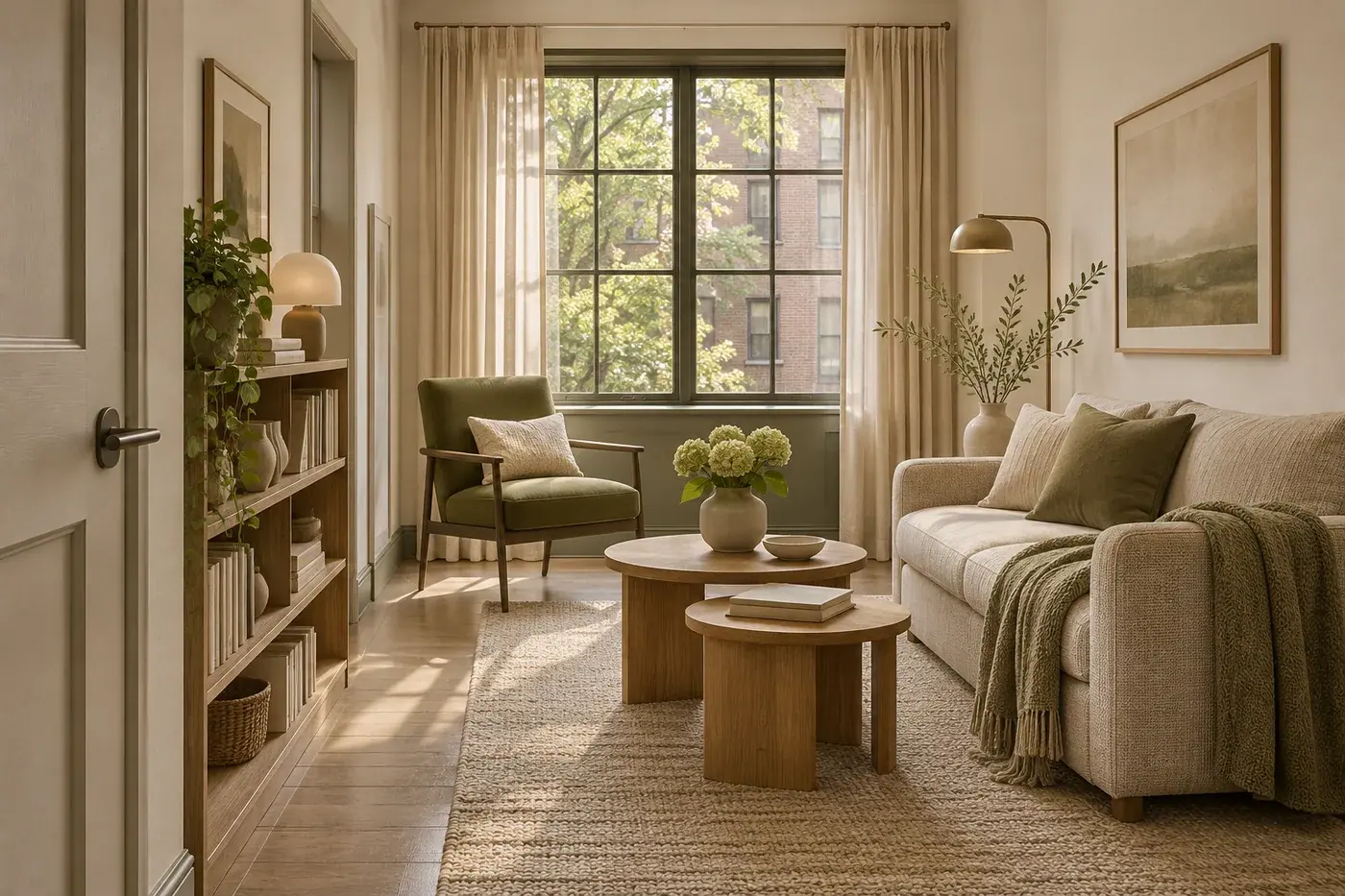
Explore how seating and storage could share the room.
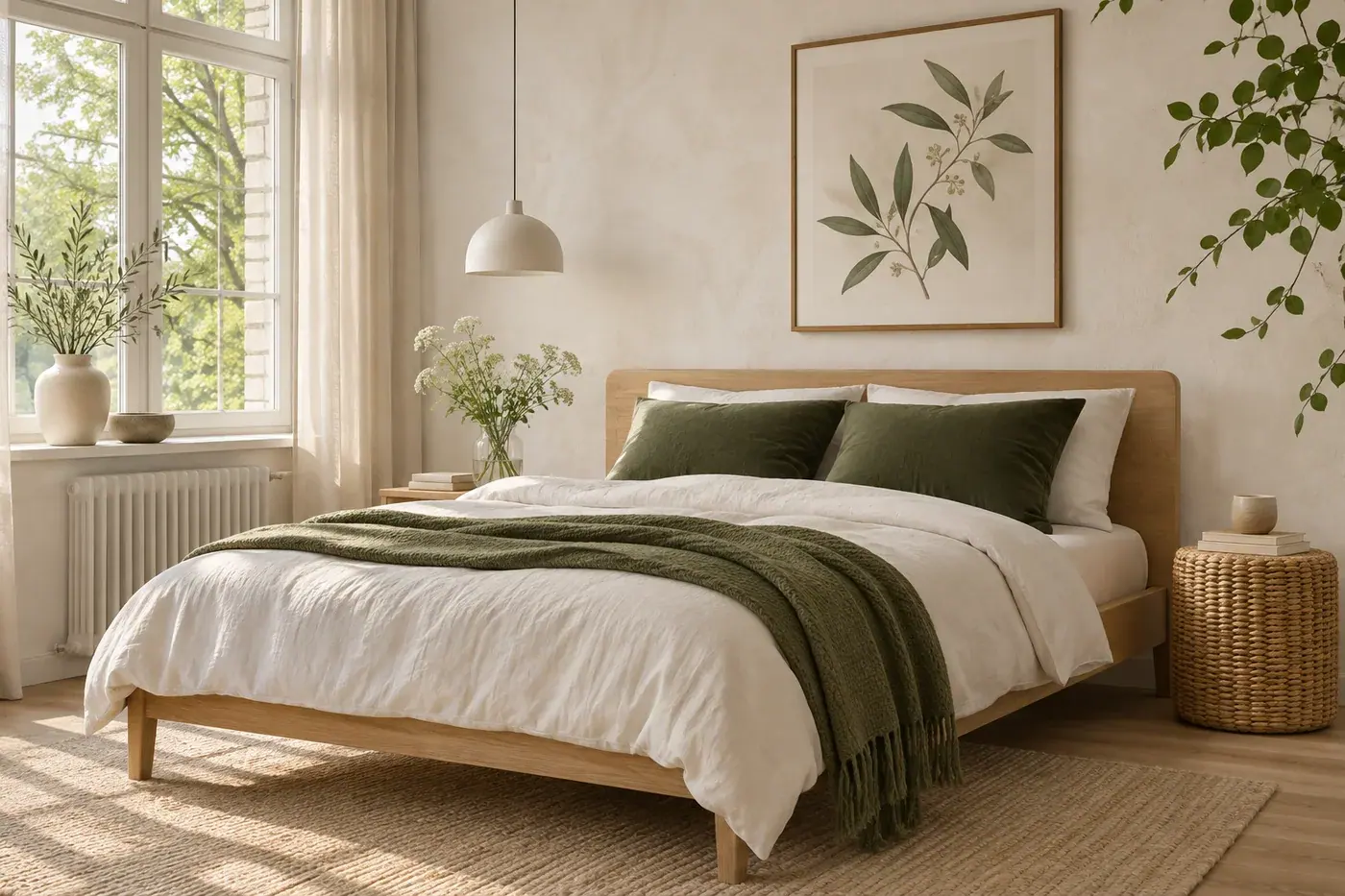
See a wall color beside the floor and furniture you already have.
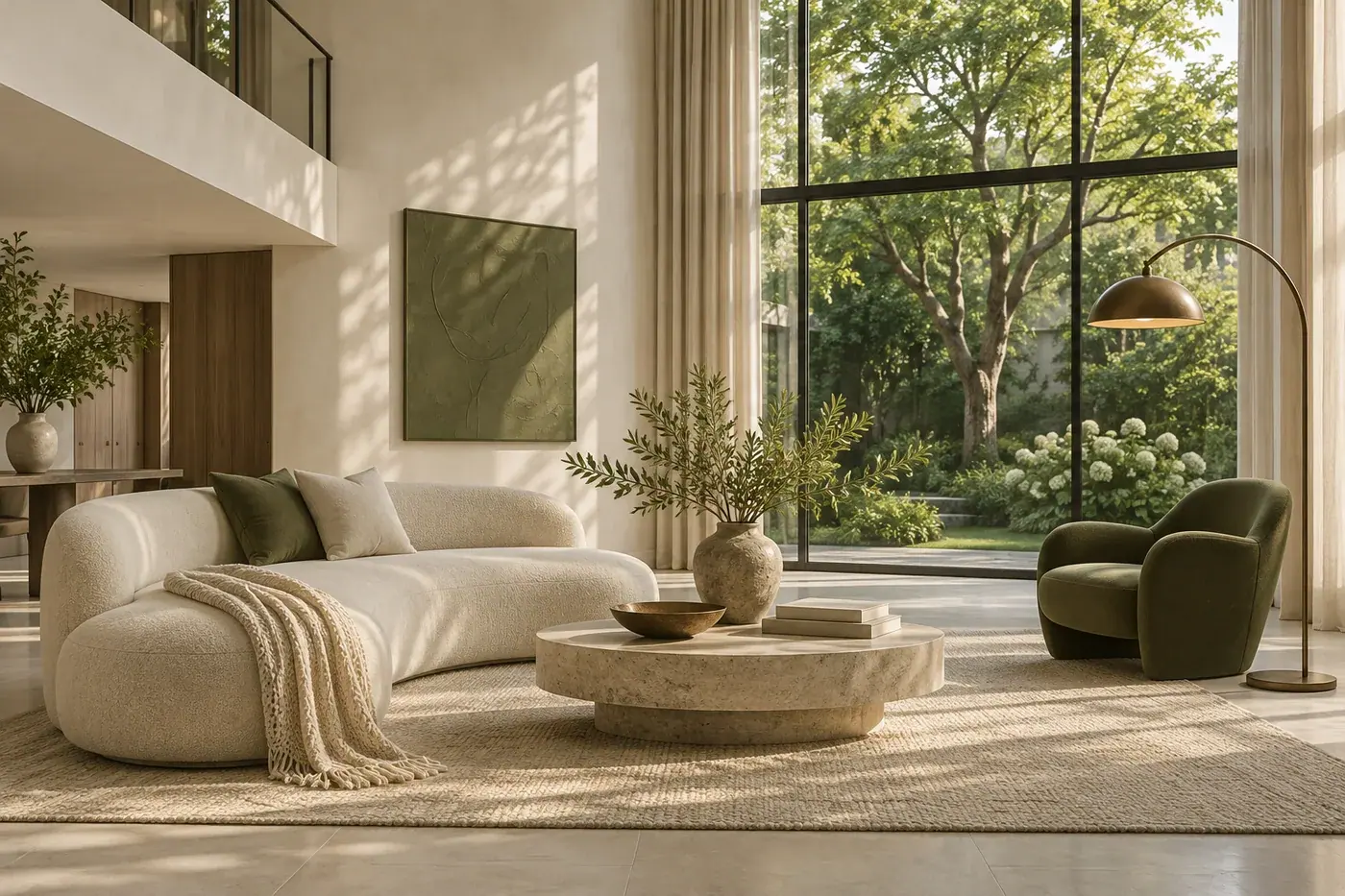
Help an empty room tell a more complete story.
1–6 / 12
Choose a photo, describe what to remove and review the result beside the original.
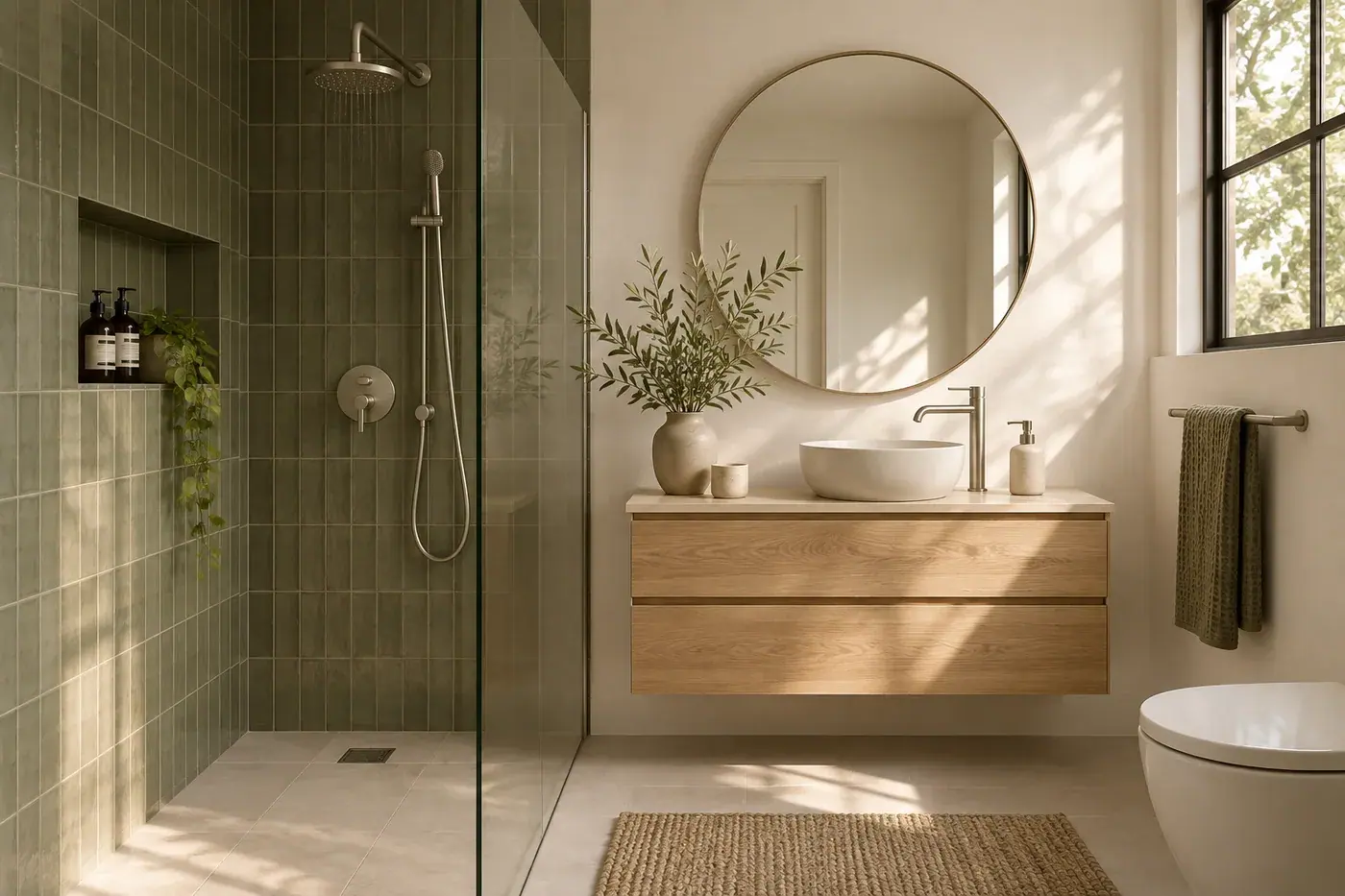
Upload a room photo containing loose clothes, toys, papers, boxes or dishes.
For example: remove loose toys, clothing and papers while retaining the sofa, table, plants and permanent decor.
Read the credit estimate, generate a concept and look at the whole room before deciding what to refine.
Read the concept beside your starting photo
Remove loose clutter such as clothing, boxes or small scattered objects. Use a clear photo and name anything that must remain. The tool is designed to keep main furniture and fixtures; inspect reconstructed areas for unwanted changes.
Explore removing loose toys and boxes while keeping the room furnished.
Review a cleaner table surface without replacing the table itself.
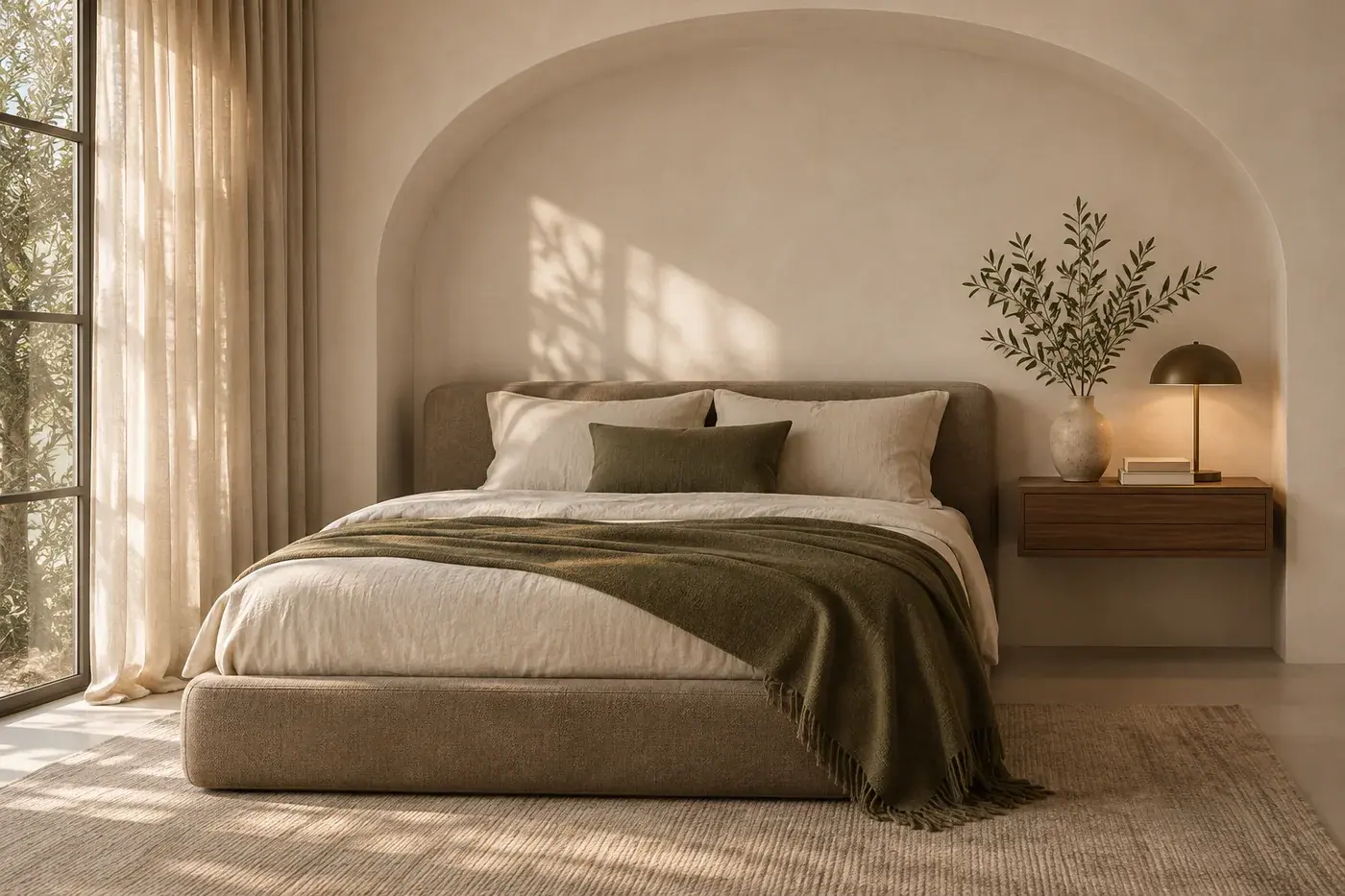
Keep the main furniture in place while removing loose clothes, papers and small objects.
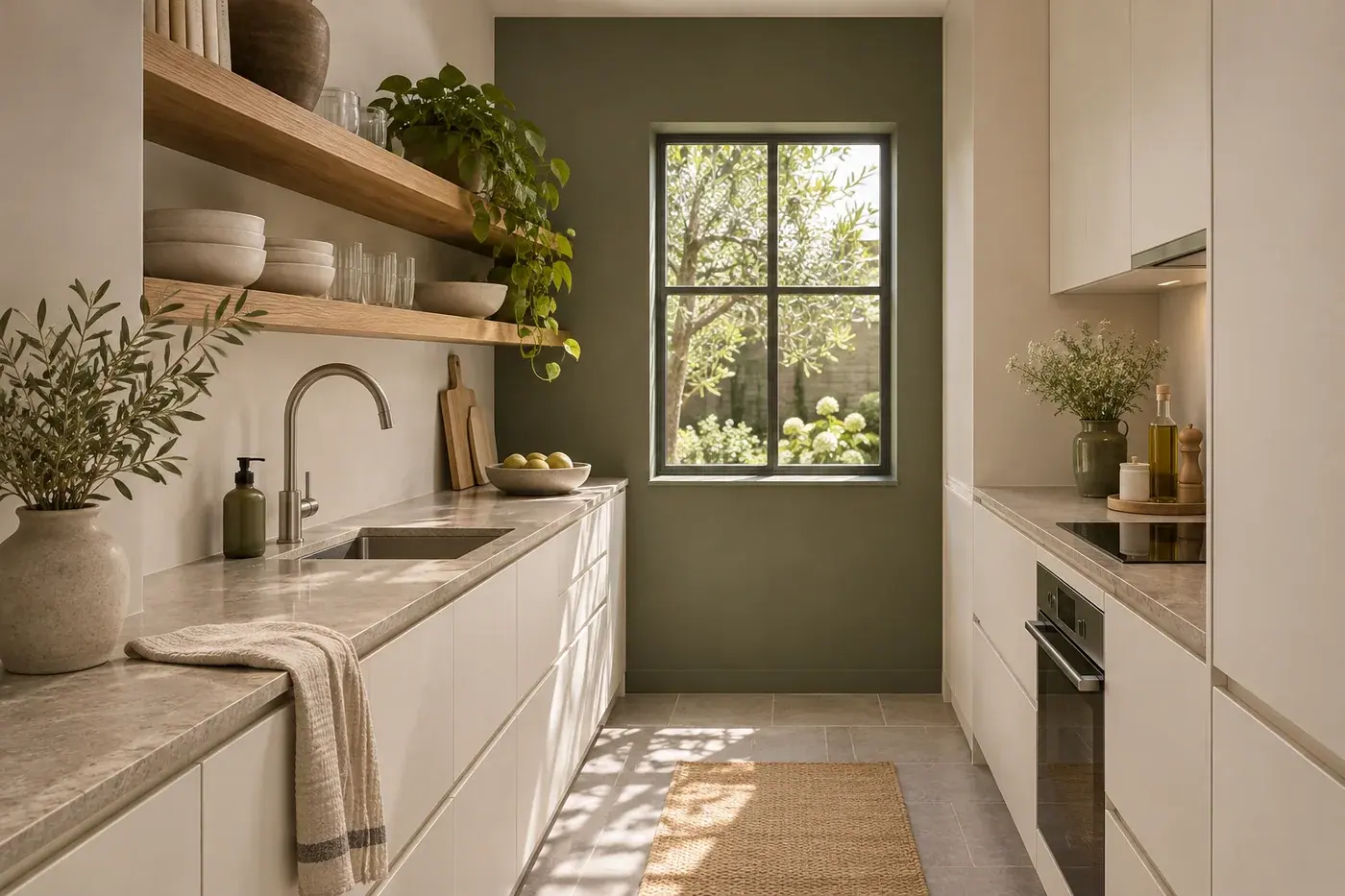
Compare edges, floor textures and reconstructed areas before using the image.
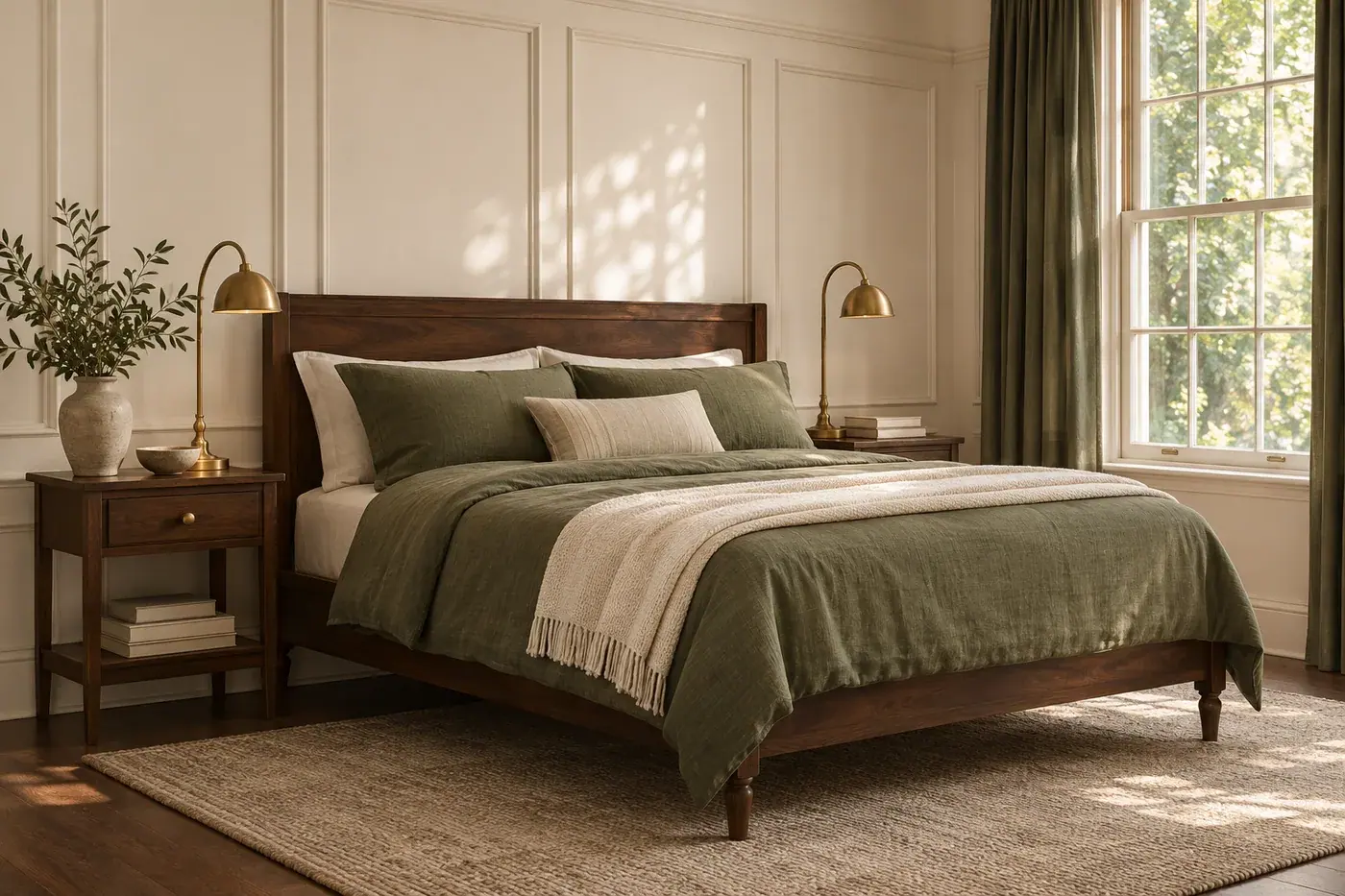
Upload a room photo containing loose clothes, toys, papers, boxes or dishes.
Start with the habits the room needs to support. Use a study to decide what to keep and what deserves a different arrangement.

Focus a design brief on movable furniture and soft furnishings. Explore how the room could feel more personal around the pieces you already have.
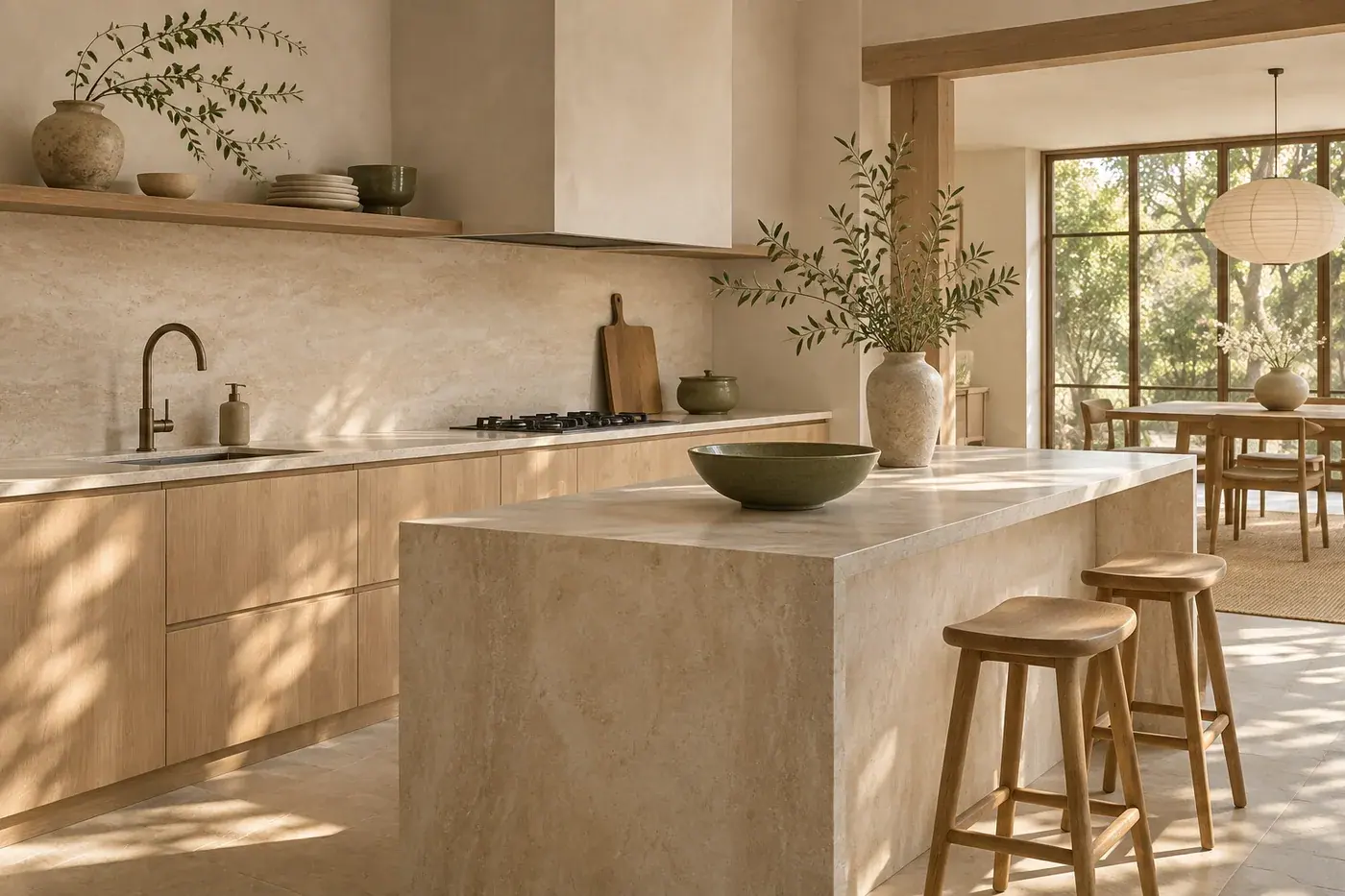
Share the original photo with the concept you prefer. Point out the colors, finishes or arrangement you want to develop in a measured design.
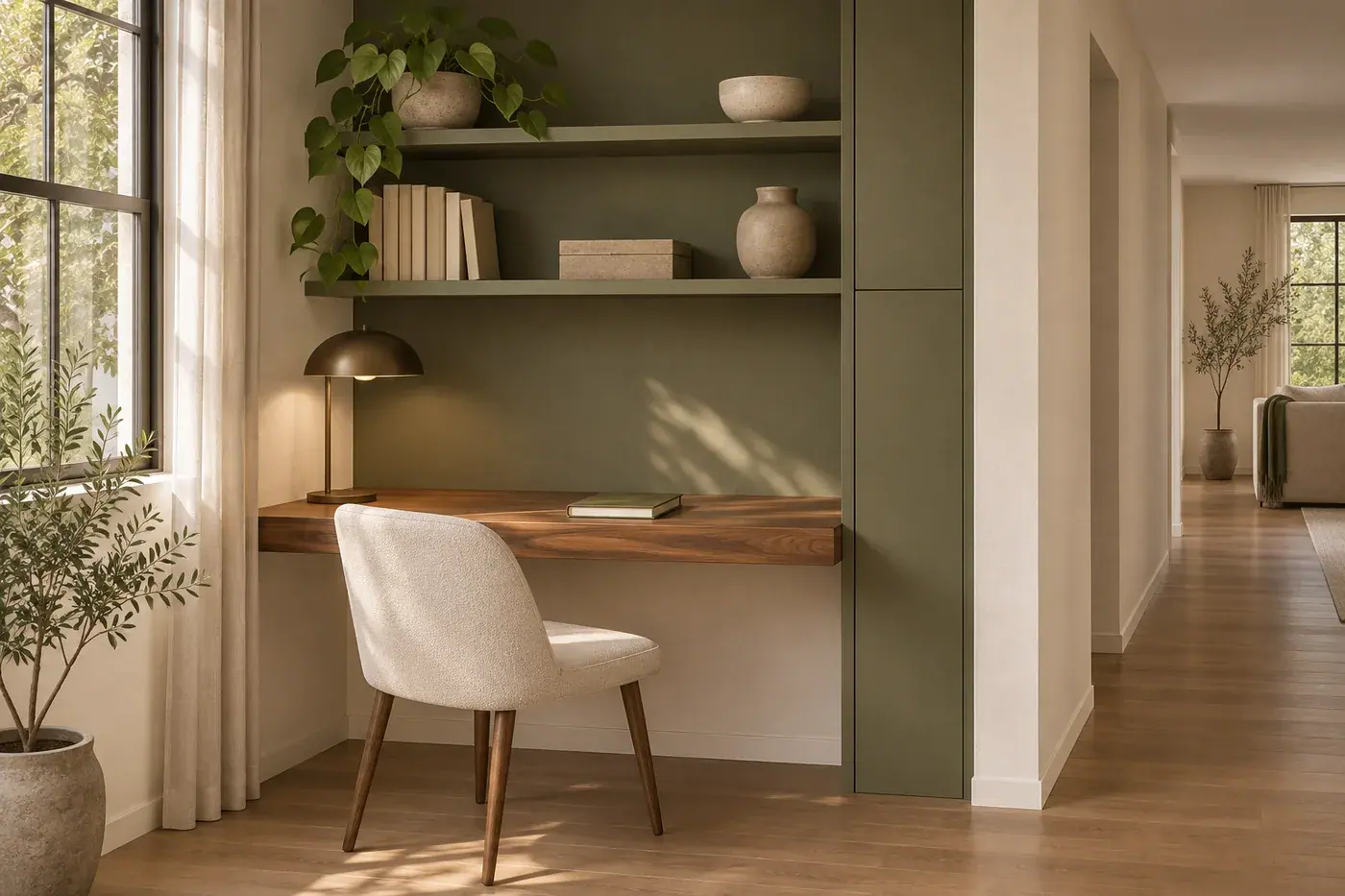
Use a labeled AI concept to explain an empty room’s possible use. Keep its original photograph available so viewers can understand the proposed changes.
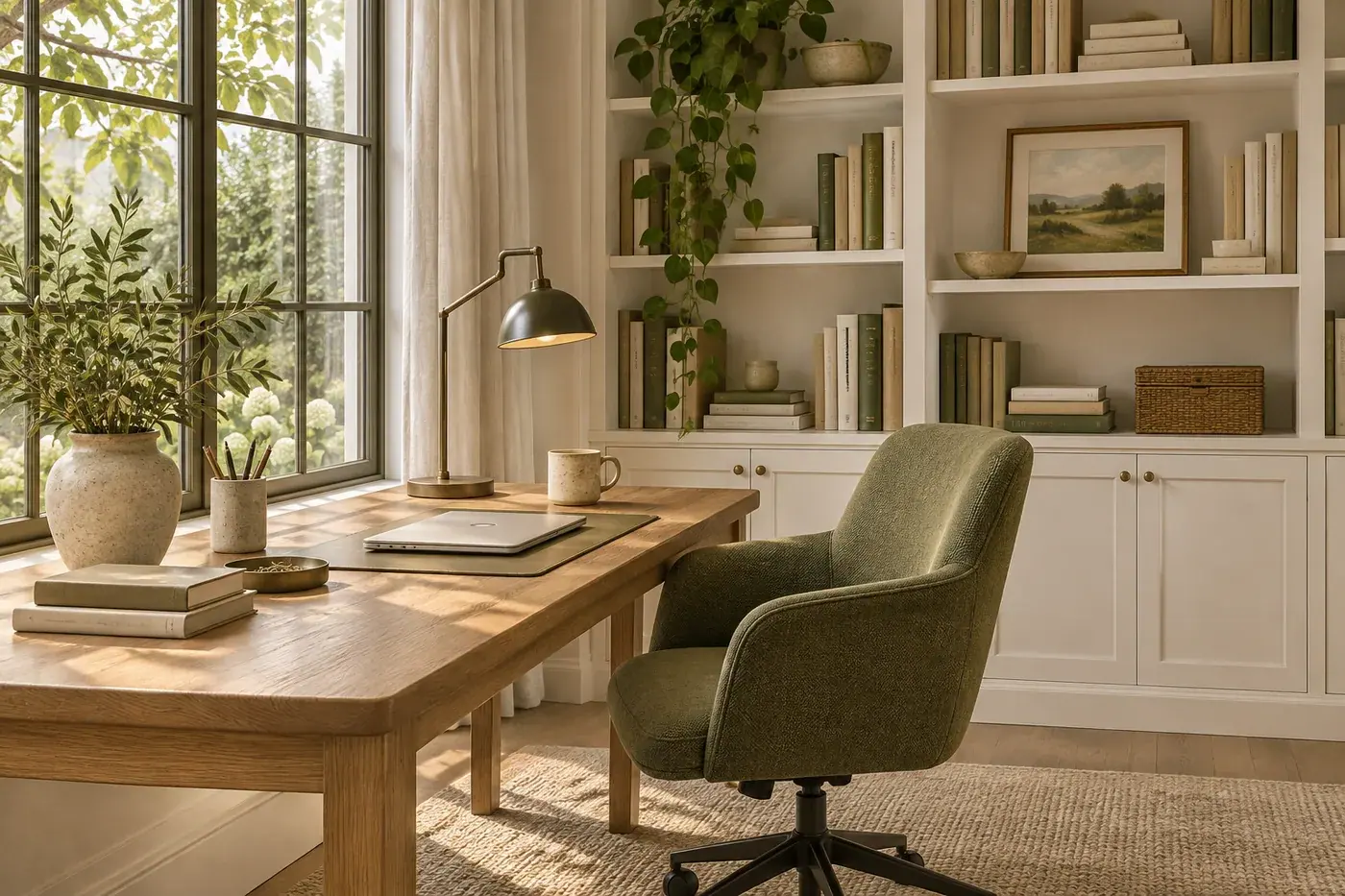
Studio studies
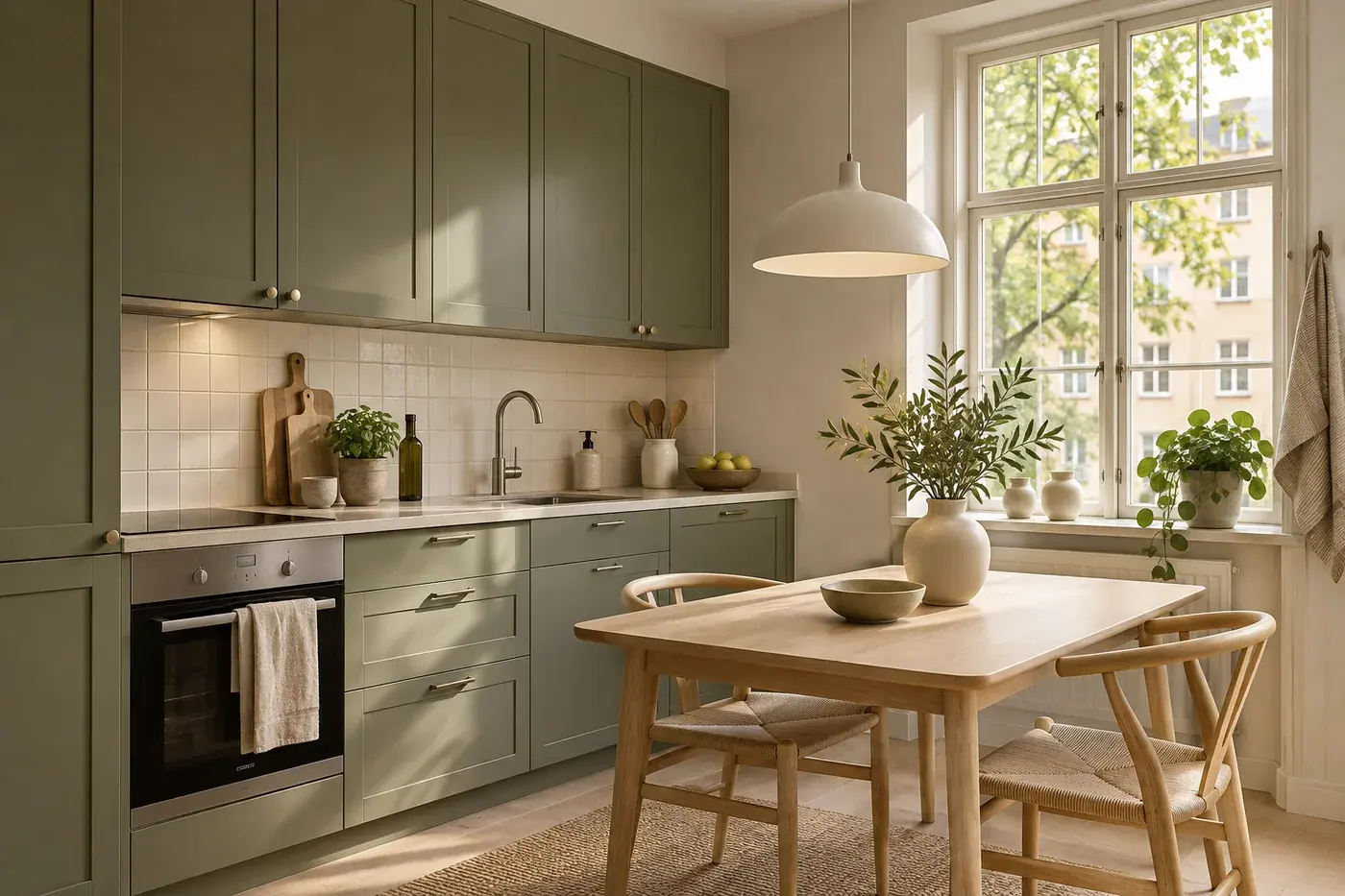
Explore removing loose toys and boxes while keeping the room furnished.
Choose credits around your next project: one room, a few layout studies or a regular design workflow. Check the billing period and total before choosing a plan.
Loading designs...
For first ideas and a fresh perspective on your space.
Billed monthly · auto-renews
Credits granted each paid month. Manage your subscription in Billing.
For regular redesigns and exploring more possibilities.
Billed monthly · auto-renews
Credits granted each paid month. Manage your subscription in Billing.
For larger projects, multiple rooms and client presentations.
Billed monthly · auto-renews
Credits granted each paid month. Manage your subscription in Billing.
This tool targets loose clutter. It is not a furniture-removal or empty-room tool; review reconstructed surfaces.
Contact supportDescribe the objects you want removed and name the furniture you want to retain. AI uses the photo and your instructions to create a tidier-looking image. Review the result because it may change some objects or background details.
This tool edits room photos. It does not provide a physical cleaning service or remove belongings in real life. Use the image to visualize a clearer space or prepare a design discussion.
Describe the change you want in everyday terms and identify the pieces that should remain. A specific request gives you something concrete to review in the result. For example: remove loose toys, clothing and papers while retaining the sofa, table, plants and permanent decor.
This tool targets loose clutter. It is not a furniture-removal or empty-room tool; review reconstructed surfaces.
AI generation uses 10 credits per 1K image or 15 per 2K image. Choose 1–4 images; the button shows the total before submission. Credits are reserved when a task is created and returned if that task fails. A new variation is a new paid task.
Generate another study from the same original photo, or use a completed result as the next reference. You can request 1–4 images with the available controls. Read the credit total before each new request.
The workspace shows the task state, and signed-in tasks remain in My Projects. Processing time varies with output settings and the service queue. Check the existing task before submitting the same brief again.
Download the completed image and use it beside your original as a design reference. Signed-in tasks are also available in My Projects. The image does not include editable CAD geometry or an exact shopping list.
Your designs are not automatically published in Explore. Uploaded images and preferences are processed by the generation service, and image files may be accessible through their storage links. Keep those links private and avoid uploading information you do not want processed. For help, use the feedback button or support@roomtale.app.
The uploaded photo is used as a reference, and the generated design is a separate image. The original file on your device stays unchanged. Keep it to compare the design and review any details that the AI may reinterpret.
Upload a photo and describe which items should disappear from the image.